Underneath my bathroom sink is a scale. I’m fairly certain that this is true for most American households. It isn’t anything fancy. It’s digital and can switch back and forth between pounds and kilograms, should I want to practice my metric conversions whilst weighing things.
I have happy memories with this small, household appliance. I have used it before my many trips to Europe in the past five years to make sure that my suitcase is not too heavy. However, the weight of my mental baggage is heavier than all of the treasures a trip abroad fills my suitcases with.
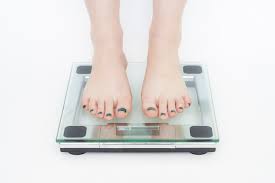 Since adolescence, I have had a tangled and difficult relationship with my body image and size and my bathroom scale has been a key player in this life-long drama. I have shed many tears when I stepped onto its chrome and plastic platform to see all of the weight and more come back after various diets inevitably conflicted with my emotional issues with food and acceptance. I have pretended that my scale didn’t exist when those same issues fueled the voices in my head telling me that I should just keep eating and to hell with the consequences.
I’ve often thought of purging this small appliance from my life, but I never have. I cling to it much like I cling to the skinny jeans in my closet, as a sign of hope that one day I will live up the standard of beauty my 37 years of life has forged in my mind.
————————————————–
The history of vanity is as old as civilization with humans using all kinds of tricks and techniques to meet the standards of beauty for their culture and time. However, these standards have been and continue to be a constantly moving target with a whole battery of tools geared towards helping us measure our progress towards meeting it.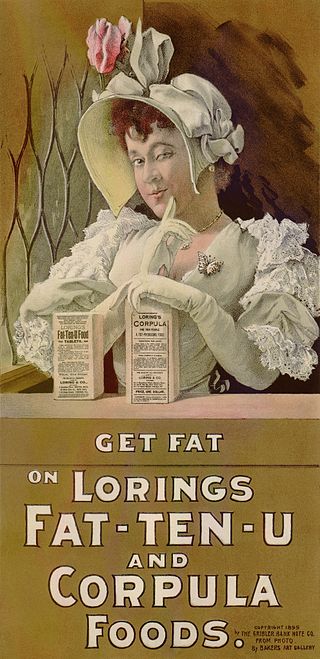
For example, the scale. Weighing oneself using a personal scale regularly is a relatively new phenomenon. Coin operated scales were developed in Europe in the late 1800s and became popular in the U.S. in the early 1900s. They were found at carnivals or near pleasure centers, like the boardwalk. They were a novelty item as knowing a person’s exact weight had no real purpose. Clothes were custom made to fit the exact proportions of a person’s body and “being healthy” had more to do with not getting the Spanish flu or Tuberculosis than the pace of a person’s mile.
As obsession with physical appearance and wellness, specifically with the size of our bodies, grew easier to monitor, so, too, did the methods for “staying fit”. Around the turn of the century, with the help of celebrity spokespeople, fad diets became a regular hallmark our culture. Diet plans, though often unsustainable, became one of the highest grossing industries in the United States, with Americans spending an estimated $60 billion on weight loss efforts.
The irony of this is that as Americans became more obsessed with weight loss, they also became heavier. The average adult weighs 26 pounds more today than in the 1950s. Obesity has become a leading cause of health risks in developed countries and has led to an increase in mental and emotional health issues along with physical ailments. This is especially true for women, who long to feel attractive, but who have to battle with the media’s portrayal of idealism, which is confusing and unrealistic, and a fashion industry that makes it impossible to dress well without feeling judged by the clothing companies.
So what’s to be done? Modern research, specifically into weight loss reality show contestants, shows that quick weight loss instigated by extreme dieting and exercise often leads to rebound weight gain and health risks. Yet new diets are developed every day and society, quite literally, eats them up.
History has shown that the culture around us wants to make money off our desire to feel attractive. But the free market is a fickle suitor. If we figure out what it means to be have a healthy mind, heart and body and work to create sustainable habits in our lives that support our progress towards that health, the industry won’t make money off of us anymore. Which leaves us with a choice–who should we let define our notions of beauty?
————————————————–
I am harsh in my self-critique. I have spent much of my post-adolescent life comparing myself to every woman I see. In my quick assessment of other people’s physical beauty or size, I give them, at most, a few minutes of consideration while I return to the heaping mental file system of flaws I’ve catalogued over many years of staring at myself in the mirror.
 Through the help of a therapist and incredibly supportive friends and family, though, I have started to change the narrative of my inner monologue. After years of berating myself for perceived beauty failures, I am learning to love myself regardless of how much I weigh.
This is really, really, really hard. I am constantly surrounded by conversations about the merits of cutting dairy, or gluten or all processed foods. I hear friends talk about their own insecurities with weight and size and feel a sad camaraderie in the struggle.
It is easy to get sucked in, but that doesn’t help me to make the true change that I need to make. Eating less and exercising more are not bad things to do. Engaging in that process might even give me the results I long for, but inevitably, I will still be subject to fear. Fear of food. Fear of judgement. Fear of failure.
Fear of what the scale might say about me
I am a long way from the transformation that I am working towards. I still have to focus each morning to say nice things about myself when a particular shirt or pair of pants doesn’t fit quite like I want them to. But I am working on trusting my intuition and finding ways to love who I am and use that as the foundation for the hard work that self-care requires.
I’ve stopped looking at my bathroom scale as an enemy. In fact, I’ve stopped looking at it all. Instead, I keep it under my bathroom sink until I need it to measure the weight of my suitcase as I consider how much space to leave for all the treasures I will collect on my adventures in caring for myself.

All images are from the Public Domain and used under CC0 Public Domain license


Jessica, awesome job! You really made yourself vulnerable, but I think it paid off and this turned out really well. You definitely tapped into a fear/issue so many of us have and can relate to. I loved reading this!
LikeLike
Thanks, Clown! (and look…your comment did post!!) =)
LikeLike
The research on this is really compelling – especially the fact that Americans became heavier as the scale became more in fashion and we became more obsessed with weight loss. I also liked the images you chose (like the old timey ad for Copula foods). There are a lot of directions you could go on this if you ever choose to write more on the topic. I’m wondering why the first scales were coin operated, and I’m wondering how frequently we would weigh ourselves if we had to pay every time. Though, based on what you alluded to here, we do still “pay” in mental and emotional ways.
LikeLike
I really like the links you included and your conclusion. 🙂 I like how you you used the breaks to organize your writing as well. Thank you for sharing this very relatable piece! 🙂
LikeLike